



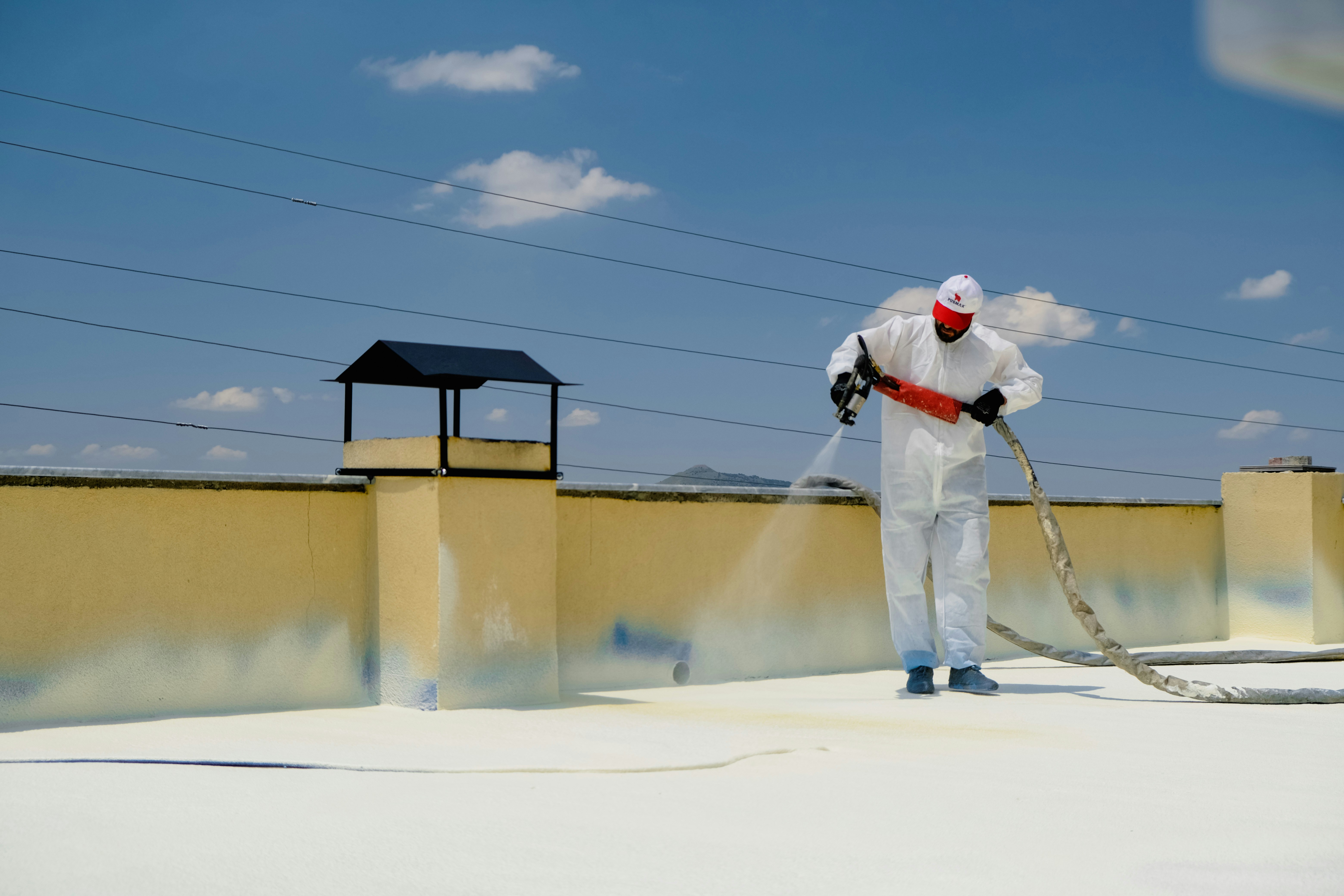
Understanding the Importance of Waterproofing
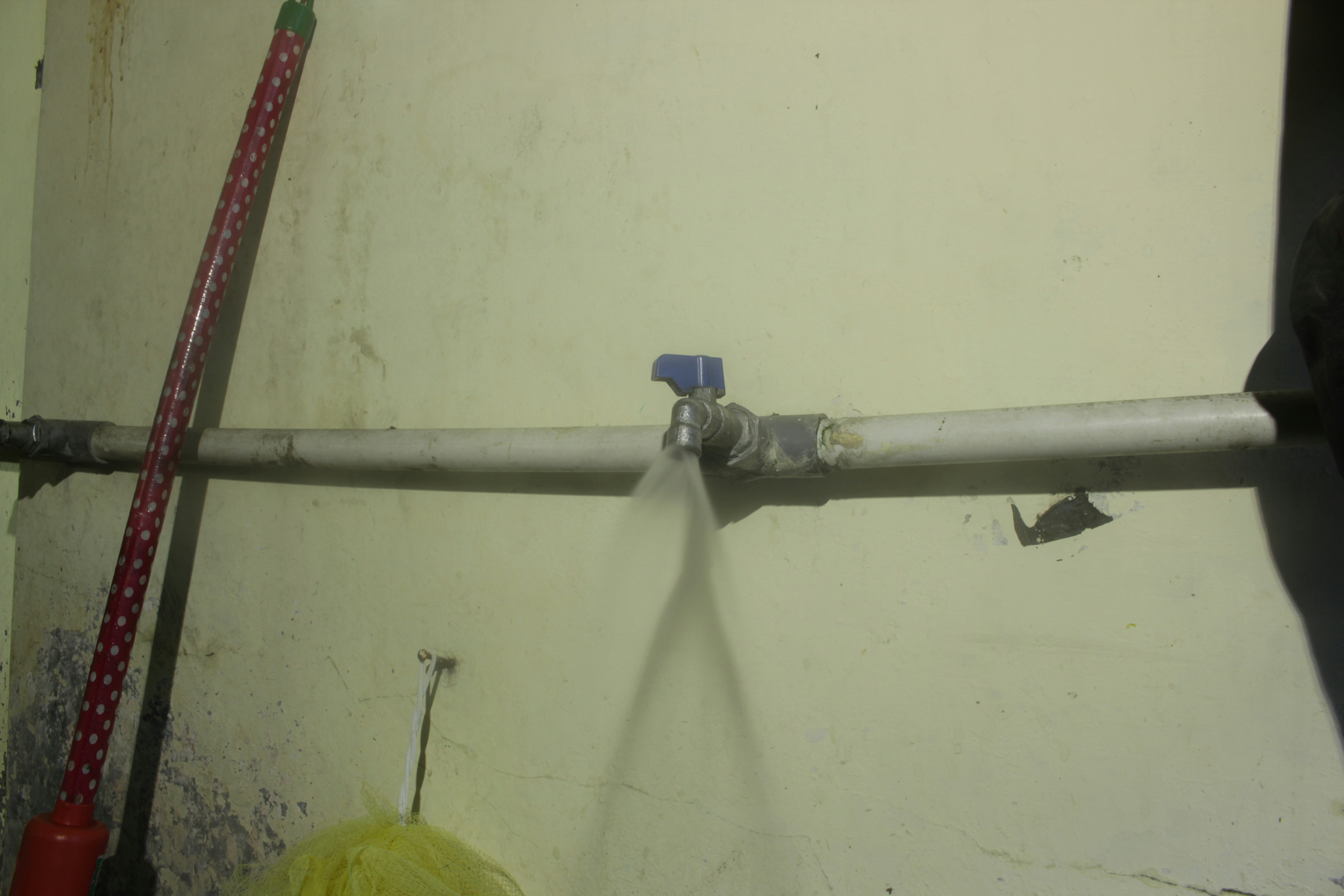
Waterproofing is an essential component of any construction or renovation project, serving as a barrier against the adverse effects of moisture intrusion. When water seeps into structures, it can lead to a myriad of problems that can compromise the integrity and safety of buildings. Among the most significant issues caused by water intrusion are mold growth and structural deterioration, both of which can have damaging consequences on health and property.
Mold thrives in damp environments, and once established, it can lead to serious health concerns, particularly for individuals with respiratory issues or weakened immune systems. Additionally, the persistent presence of moisture can weaken building materials, leading to structural damage that may necessitate extensive and costly repairs. Over time, this deterioration could result in compromised foundations, warped framing, and damaged roofing systems, all of which can diminish the longevity of a property.
Investing in effective waterproofing solutions from the outset can mitigate these risks significantly. Proper waterproofing not only protects against immediate water damage but also minimizes long-term maintenance costs associated with repairing moisture-related issues. Furthermore, buildings that are accessorized with high-quality waterproofing systems tend to retain their value better, ensuring that property owners do not face unexpected expenses due to preventable damage.
In conclusion, the importance of waterproofing cannot be overstated. It is a critical factor to consider for both new constructions and renovation projects, offering a protective shield against water-related damages, enhancing the durability of structures, and ultimately contributing to significant financial savings over time. By prioritizing waterproofing measures, builders and property owners can foster a safer and more sustainable living environment.
Types of Waterproofing Systems Available
Waterproofing is a crucial aspect of construction and building maintenance, ensuring that structures are protected from water damage. There are several different types of waterproofing systems available on the market, each with unique properties and applications. Understanding these systems can aid in selecting the right solution for your specific project requirements.
One of the most common types is the liquid membrane system. This system involves the application of a liquid that cures to form a seamless, flexible membrane on the surface of the substrate. Liquid membranes are particularly beneficial for complex surfaces where traditional sheet membranes might not adhere properly. Their seamless nature helps to eliminate potential leak pathways. However, the application process can be labor-intensive and sensitive to weather conditions during installation.
Another prevalent option is the sheet membrane system. Sheet membranes are pre-manufactured products, typically made from materials such as rubberized asphalt or polyethylene. They are installed as large sheets, which can create a reliable barrier against water intrusion when properly sealed. The primary advantage of this system is its durability and strength; however, it may require more expertise for installation to ensure that seams are correctly sealed against leaks.
Crystalline waterproofing is also gaining popularity as an effective method. This innovative system involves the use of a dry powder that penetrates concrete and reacts with moisture to form crystals, effectively blocking the ingress of water. It is particularly suitable for concrete structures and offers long-term protection without relying on additional membranes. While crystalline systems can be less visible and more cost-effective, their effectiveness can depend significantly on concrete formulation and curing conditions.
In summary, choosing the right waterproofing system depends on various factors, including the specific application, environmental conditions, and budget. Carefully considering each option’s unique properties will lead to optimal results in protecting your investment against water damage.
Factors to Consider When Choosing a Waterproofing System
Choosing an effective waterproofing system for your project entails careful consideration of multiple factors. First and foremost, understanding environmental conditions is imperative. Factors such as humidity levels, temperature fluctuations, and exposure to precipitation significantly influence the choice of waterproofing materials. For instance, areas with high moisture levels may necessitate a more robust waterproofing solution, whereas drier regions might require less intensive measures.
The type of substrate is another critical aspect to examine. Different surfaces—such as concrete, wood, or masonry—react distinctively to waterproofing products. Each substrate has its unique properties and may demand specific preparation methods before the application of a waterproofing system. Understanding the compatibility of the waterproofing material with the substrate will ensure optimum adhesion and effectiveness.
Budget constraints are also a vital consideration in the selection process. It’s essential to balance the cost of materials with their long-term durability and performance. While some waterproofing systems may appear more affordable initially, their longevity might not justify the expense in the long run, particularly in high-risk areas prone to water damage. Therefore, conducting a cost-benefit analysis related to various waterproofing options is advisable.
Finally, compliance with local building codes cannot be overlooked. Different jurisdictions have established standards for waterproofing systems, reflecting safety, environmental, and efficacy considerations. Ensuring that your chosen solution adheres to these regulations is paramount to avoid legal issues, project delays, and additional costs.
In summarizing these factors, it becomes evident that a thorough evaluation of environmental conditions, substrate types, budgetary limits, and regulatory compliance is essential in selecting the most appropriate waterproofing system for your specific project needs.
Installation and Maintenance of Waterproofing Systems
Proper installation and regular maintenance are crucial for the effectiveness of any waterproofing system. Each project requires specific considerations to ensure that the chosen waterproofing solution performs optimally over its intended lifespan. It is essential to follow the manufacturer’s guidelines and recommended application techniques meticulously, as even minor deviations can compromise the integrity of the system.
During installation, the surface preparation is of utmost importance. Any debris, dust, or moisture present on the substrate can impede adhesion and lead to premature failure. Therefore, thorough cleaning and drying of the surface are necessary steps prior to applying the waterproofing system. Additionally, the application should ideally take place under favorable weather conditions, as extreme temperatures or humidity can negatively affect the performance of the materials used.
After installation, ongoing maintenance becomes imperative. Regular inspections should be scheduled to identify potential issues before they escalate. Inspect the seams, joints, and critical areas for signs of wear, leaks, or deterioration. Addressing minor problems promptly can prevent more extensive damage and the need for costly repairs later on. Most manufacturers recommend a specific maintenance schedule, detailing how frequently inspections should occur, based on environmental factors and the type of waterproofing solution implemented.
If issues are detected during inspections, it is essential to assess the extent of the problem. In cases where the waterproofing system has been compromised, the affected area may require immediate attention, which might include repairs or even reapplication, depending on the severity of the damage. By adhering to these installation and maintenance best practices, property owners can significantly prolong the life of their waterproofing solutions, ensuring that their investments remain protected against water damage and associated problems.