



Defective Roofing Systems
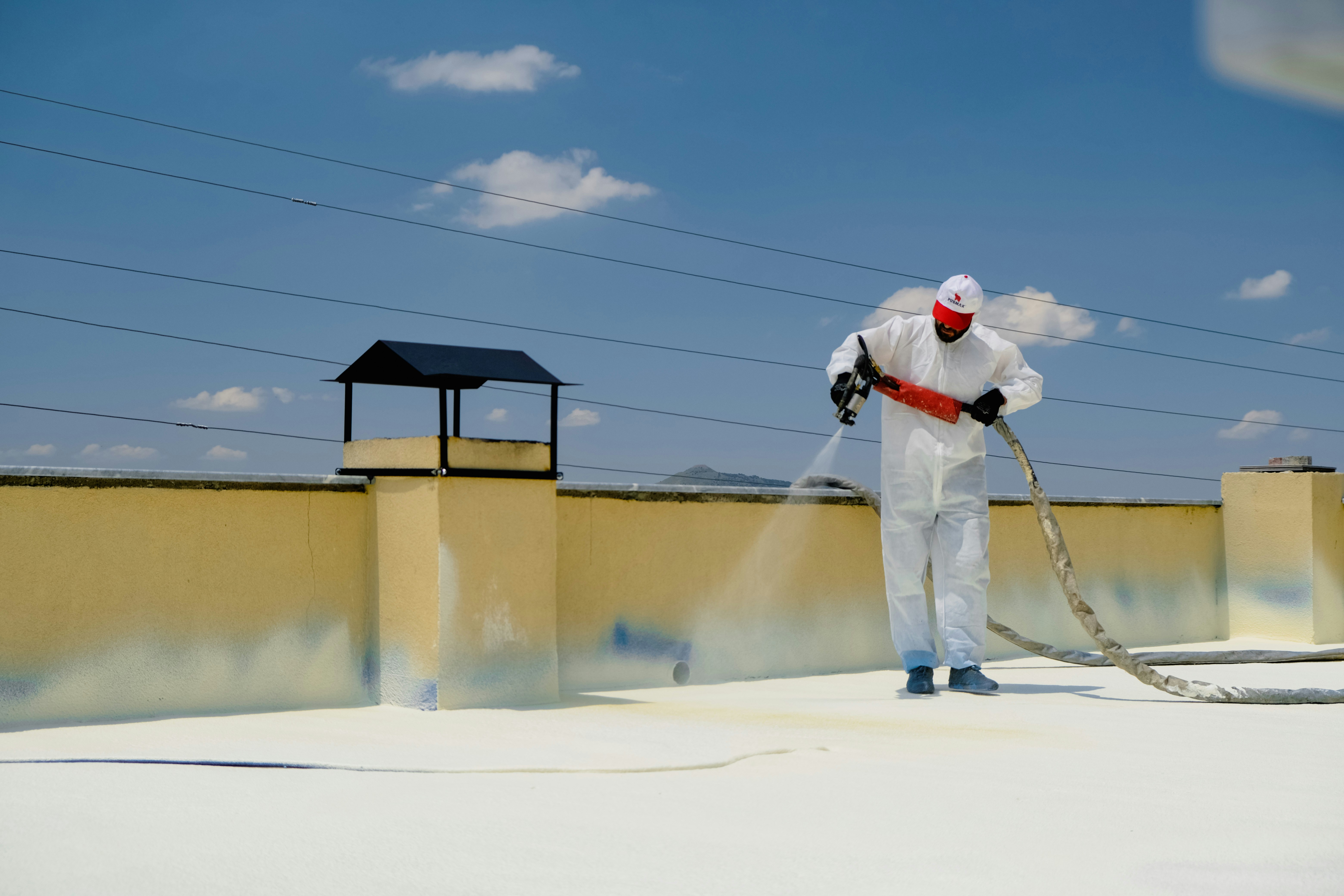
One of the primary contributors to water leakage in buildings is the presence of defective roofing systems. Over time, roofing materials can degrade due to various environmental factors, leading to vulnerabilities that facilitate the entry of water. For instance, roofing materials that are aged or installed improperly often do not provide adequate protection against the elements, making them significant sources of leaks.
Weathering is a natural process that accelerates the deterioration of roofing materials. Exposure to sun, wind, and rain can cause shingles to crack, curl, or lose their effectiveness. When these materials are compromised, they fail to divert rainwater efficiently. This can lead to pooling and infiltration of moisture into the building structure. Moreover, in regions with harsh weather conditions, roofing systems are particularly susceptible to damage. Extreme temperatures can make materials brittle, and strong winds can displace them, thereby creating potential leak paths.
Another critical aspect of defective roofing systems is improper flashing. Flashing, which is used to direct water away from critical areas such as chimneys, skylights, and roof valleys, must be correctly installed to function properly. If flashing is not adequately sealed or is misaligned, it can lead to leaks during rainfall. Neglecting regular inspections and maintenance can exacerbate these issues, as subtle signs of wear and tear may go unnoticed until significant water damage occurs. Homeowners and property managers should prioritize ongoing roof maintenance to identify vulnerabilities early and rectify them promptly. This includes regularly checking for signs of wear on roofing materials, ensuring that flashing is intact, and cleaning gutters to prevent water accumulation.
In conclusion, understanding how defective roofing systems contribute to water leakage can help property owners mitigate risks. By investing in quality materials and prioritizing maintenance, the longevity of roofing systems can be extended, ultimately protecting buildings from the costly impacts of leaks.
Faulty Plumbing Infrastructure
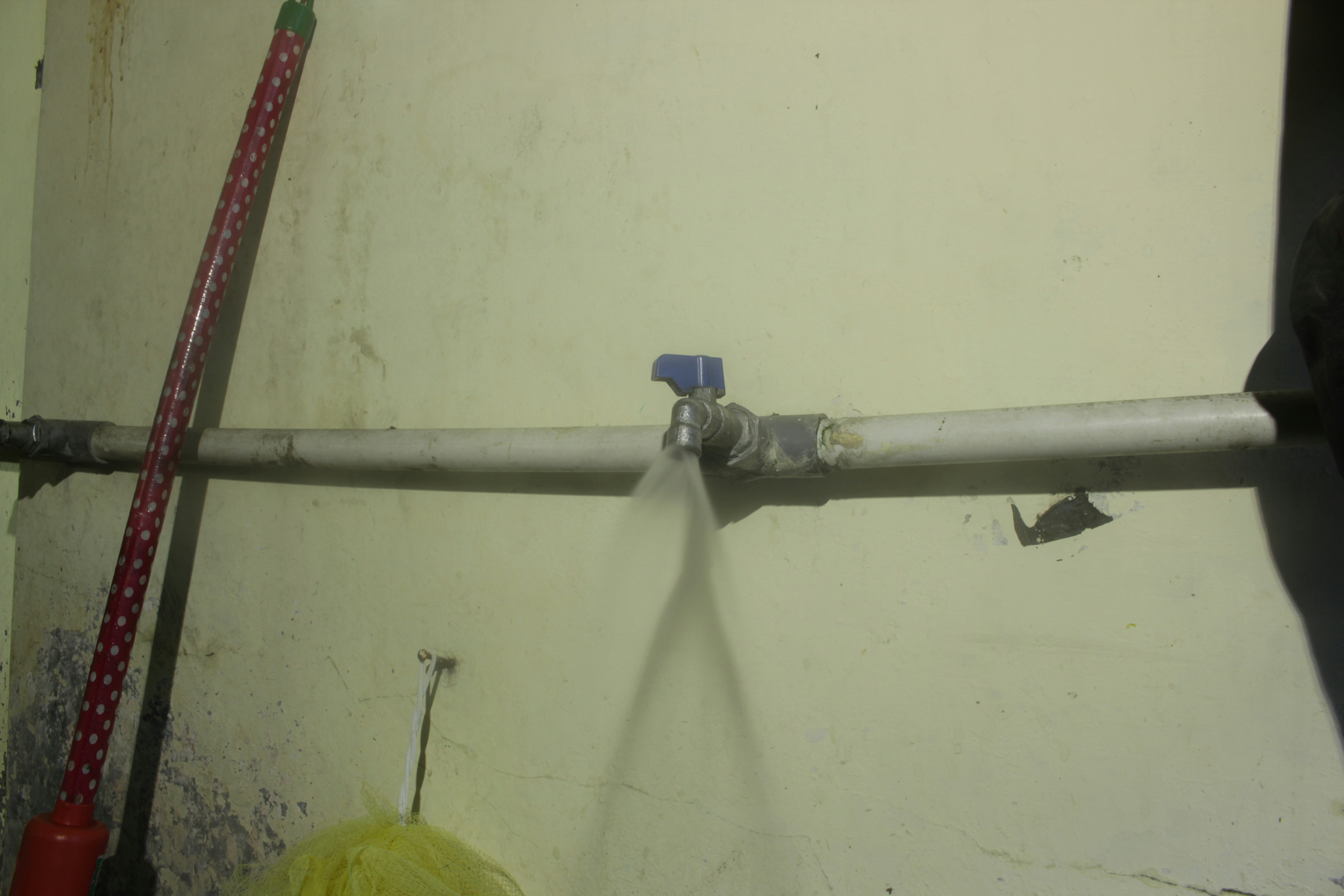
The integrity of a building’s plumbing infrastructure is crucial in preventing water leakage. Over time, numerous factors can contribute to plumbing failures, leading to significant water damage within a structure. A common problem arises from worn-out pipes. As pipes age, they become susceptible to deterioration caused by various environmental factors, including temperature fluctuations and pressure changes. This deterioration can manifest in cracks, leaks, or bursts, allowing water to escape into unwanted areas of the building.
Another significant cause of water leakage is loose connections within the plumbing system. Connections that are not properly secured can develop gaps through which water can seep. These loose fittings may result from poor installation practices or can occur over time due to shifting foundations and regular wear and tear. Such issues often go unnoticed until visible signs of leakage appear, such as stains or damp patches on walls and ceilings, making prompt assessments and repairs vital.
Corrosion is another major factor that affects plumbing infrastructure. Metal pipes, in particular, are prone to rust, which gradually weakens their structure. Corrosion not only leads to holes and leaks but can also compromise the overall safety of a building’s plumbing system. Areas most susceptible to these plumbing issues include bathrooms, kitchens, and basements, where water use is frequent. Regular inspections are essential in these regions to detect early signs of plumbing problems that could lead to substantial water leakage.
A thorough understanding of these plumbing issues can aid building owners in maintaining their properties. Addressing concerns related to worn-out pipes, loose fittings, and corrosion early on can effectively mitigate the risk of water leakage, ensuring the longevity and safety of any structure.
Weak Seals and Caulking
Deteriorating seals around windows, doors, and other openings represent a significant cause of water leakage in buildings. These seals are primarily intended to prevent water intrusion, ensuring a dry and habitable interior environment. Over time, however, the materials used in sealing can fail due to various factors including environmental conditions, age, and wear. As the integrity of these seals diminishes, the risk of water penetration increases, leading to potential damage within the building.
Seals, like caulking, are subjected to the effects of weather, sunlight, and temperature fluctuations, resulting in cracking, peeling, or complete detachment from the surface. For instance, exposure to ultraviolet (UV) rays can degrade the metals and polymers used in caulking, causing them to lose their effectiveness. Additionally, moisture and temperature changes can lead to the expansion and contraction of these materials, which may exacerbate existing weaknesses. Regular inspections are thus crucial to identify and address any signs of deterioration early on.
Building owners should schedule routine evaluations of the sealing materials around windows and doors, looking for visible signs of wear or damage. Minor issues can often be resolved by reapplying caulking or replacing weather stripping, but failing to act on these problems can lead to more extensive and costly repairs in the future. Moreover, employing high-quality sealants designed for exterior use can enhance durability and offer better protection against water intrusion.
In conclusion, maintaining the integrity of seals and caulking is essential for preventing water leakage in buildings. By conducting regular inspections and addressing any issues promptly, property owners can significantly reduce the risk of water-related damage, preserving the structural integrity and longevity of their buildings.
Foundation Cracks and Poor Drainage Systems
Water leakage in buildings is a significant concern, often stemming from cracks and gaps in the foundation. These weak points can occur due to various factors, including settling, soil movement, and extreme temperature fluctuations. When cracks develop, they can compromise the integrity of the building’s structure, allowing water to seep through and cause damage over time. Such breaches not only threaten the durability of the building but can also lead to mold growth and other health hazards, necessitating timely intervention.
Moreover, inadequate drainage systems are a primary contributor to water leakage. Proper drainage systems, including gutters and downspouts, are crucial in directing rainwater away from the foundation. If these systems are not functioning properly, water can accumulate around the foundation, increasing the risk of leaks. Clogged gutters or improperly sloped downspouts can lead to excess water pooling near the foundation, exacerbating existing cracks and eventually causing significant structural issues.
Additionally, grading issues around the building can worsen water leakage problems. Ideally, the ground should slope away from the foundation to facilitate the natural flow of water. However, when the grading is incorrect, water may instead flow towards the building, creating an environment where moisture can seep through any gaps or cracks that may exist. This can lead to persistent leakage issues and pose severe risks to the building’s integrity. Addressing foundation cracks and ensuring effective drainage systems are paramount steps in preventing water leakage and maintaining a safe living environment.