



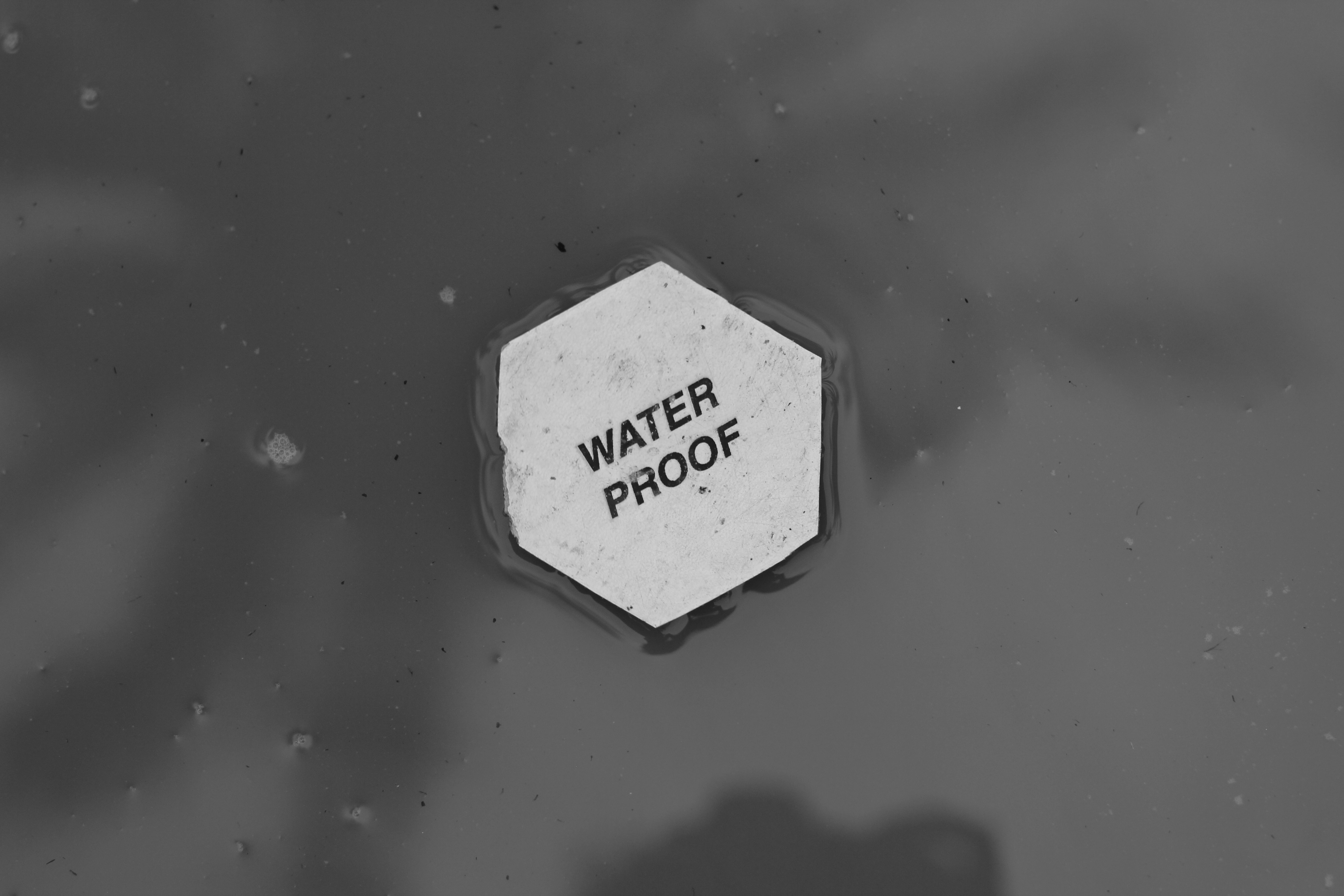
The Importance of Waterproofing in Construction
Waterproofing is a crucial aspect of construction that significantly impacts the longevity and integrity of buildings. Various forms of water damage, such as leaks, mold growth, and structural deterioration, can stem from inadequate waterproofing. Understanding these risks is essential for homeowners, builders, and architects alike.
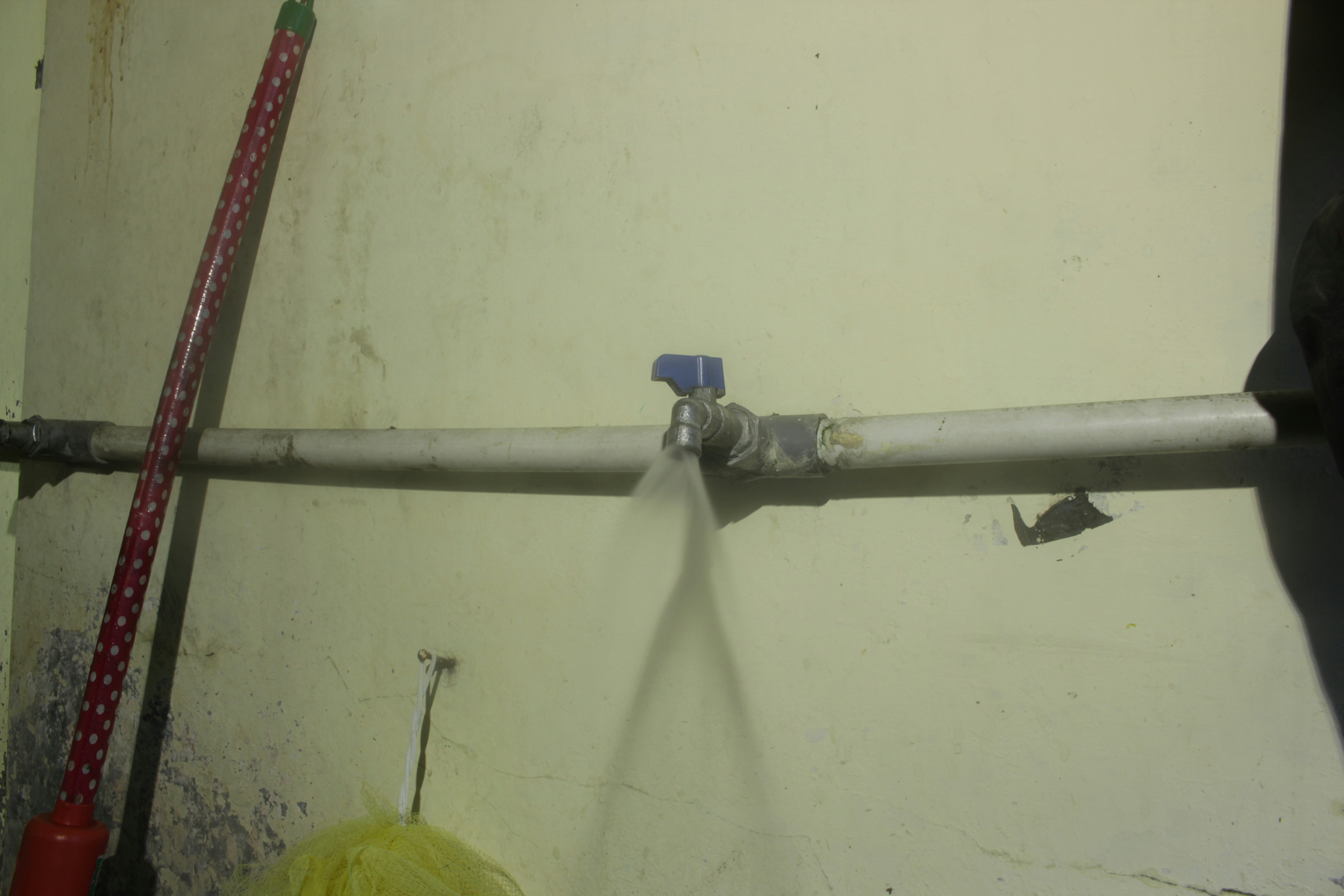
Water has a unique ability to interact with building materials, leading to various forms of damage over time. For instance, concrete, although often perceived as capable of withstanding water exposure, can be susceptible to cracking and spalling when subjected to cyclic wetting and drying. When moisture penetrates the material, it increases the likelihood of corrosion in embedded steel reinforcements, compromising the overall durability of the structure. This interaction illustrates the necessity of implementing effective waterproofing solutions.
Neglecting waterproofing measures can lead to severe consequences, both in terms of structural integrity and financial burden. Water infiltration may cause significant damage to walls and foundations, leading to costly repairs that far exceed the initial investment in waterproofing systems. Furthermore, the financial implications extend beyond immediate repairs; decreased property value and potential legal liabilities may arise if issues related to water damage are brought to light.
The preventive benefits of effective waterproofing cannot be overstated. Installing appropriate waterproofing barriers shields structures from moisture penetration and mitigates the risk of mold, which can have health implications for occupants. Adequate waterproofing also safeguards against unforeseen costs tied to extensive repairs, ultimately proving to be a sound investment for any construction project.
In conclusion, the importance of waterproofing in construction is underscored by its role in protecting structures from water-related damage. Understanding the various forms of water damage, the interaction of water with building materials, and the long-term consequences of neglecting these measures is vital for maintaining structural integrity and financial stability.
Types of Waterproofing Methods
Waterproofing is an essential process for protecting structures against water intrusion and damage. Various methods and products are available on the market, each suited for specific applications and environmental conditions. Understanding these different waterproofing techniques can help in selecting the most appropriate solution for a given structure.
One of the primary categories of waterproofing is internal waterproofing. This method typically involves the application of coatings and sealants that form a barrier on the interior surfaces of walls and floors. Common products include liquid membranes, cementitious coatings, and epoxy sealants. These materials are designed to prevent moisture from penetrating into the building’s interior, making them ideal for use in basements and crawl spaces where dampness can lead to structural issues.
On the other hand, external waterproofing methods involve protecting the exterior surfaces of a building to prevent water from entering. This approach often includes the installation of drainage systems, foundation membranes, and waterproof coatings on the walls. For instance, foundation membranes are applied to the exterior of the foundation walls and serve as a barrier against groundwater. Additionally, the incorporation of proper drainage systems, such as French drains, can redirect water away from the structure, significantly reducing the risk of water damage.
Another important aspect of waterproofing is selecting the right product based on the unique conditions of the site and the structure itself. Factors such as soil type, climate, and the intended use of the space play critical roles in determining the suitability of a waterproofing method. For example, in areas with high water tables, external waterproofing with effective drainage solutions may be necessary, while internal waterproofing is often sufficient in less severe environments.
In summary, a variety of waterproofing methods are available, encompassing both internal and external solutions. The choice of technique depends on numerous factors, including environmental conditions and structural requirements. It is crucial to evaluate these aspects carefully to ensure effective protection against water damage.
Common Waterproofing Materials and Their Applications
Waterproofing is a crucial process in construction and maintenance, safeguarding structures against water damage. There are several materials commonly used for waterproofing, each with unique properties that render them effective under varying conditions.
One of the most widely utilized waterproofing materials is bituminous products. These materials, which include asphalt and tar, are renowned for their durability and resistance to water penetration. Bituminous products are often applied in layers, creating a thick barrier that protects surfaces such as roofs and foundations. They are particularly effective in areas with moderate rainfall, providing a reliable shield against water seepage.
Rubberized asphalt is another effective option that combines the flexibility of rubber with the impermeability of asphalt. This material forms a highly elastic membrane, making it suitable for surfaces that may experience movement or settling. It is frequently employed in below-grade waterproofing applications, such as basements and retaining walls, where flexibility is essential to accommodate structural shifts without compromising water resistance.
Cementitious waterproofing is often favored for its ease of application and cost-effectiveness. This type of material consists of a mixture of cement and water-repellent additives, creating a hard, impermeable barrier. Cementitious waterproofing is typically used for exterior walls and swimming pools, effectively sealing porous surfaces against moisture intrusion.
When choosing the right waterproofing material, several factors must be considered, including the location of application, expected water exposure, and structural flexibility. It is essential to evaluate the specific needs of each project to select the most suitable material. In summary, understanding the diverse range of waterproofing materials and their applications is vital for effective water damage prevention, ensuring long-lasting protection for structures.
Best Practices for Effective Waterproofing Installation
Effective waterproofing is essential for safeguarding structures from water damage, and the installation process plays a crucial role in achieving long-lasting results. Understanding and implementing best practices during the installation of waterproofing systems can significantly enhance their effectiveness.
First and foremost, thorough surface preparation is paramount. The surfaces to be treated must be clean, free of debris, and devoid of any moisture to ensure optimal adhesion of waterproofing materials. This includes removing any old coatings, dirt, or other contaminants that may hinder the penetration of the waterproofing agents. Additionally, repairing any cracks or surface imperfections before application can help prevent water intrusion.
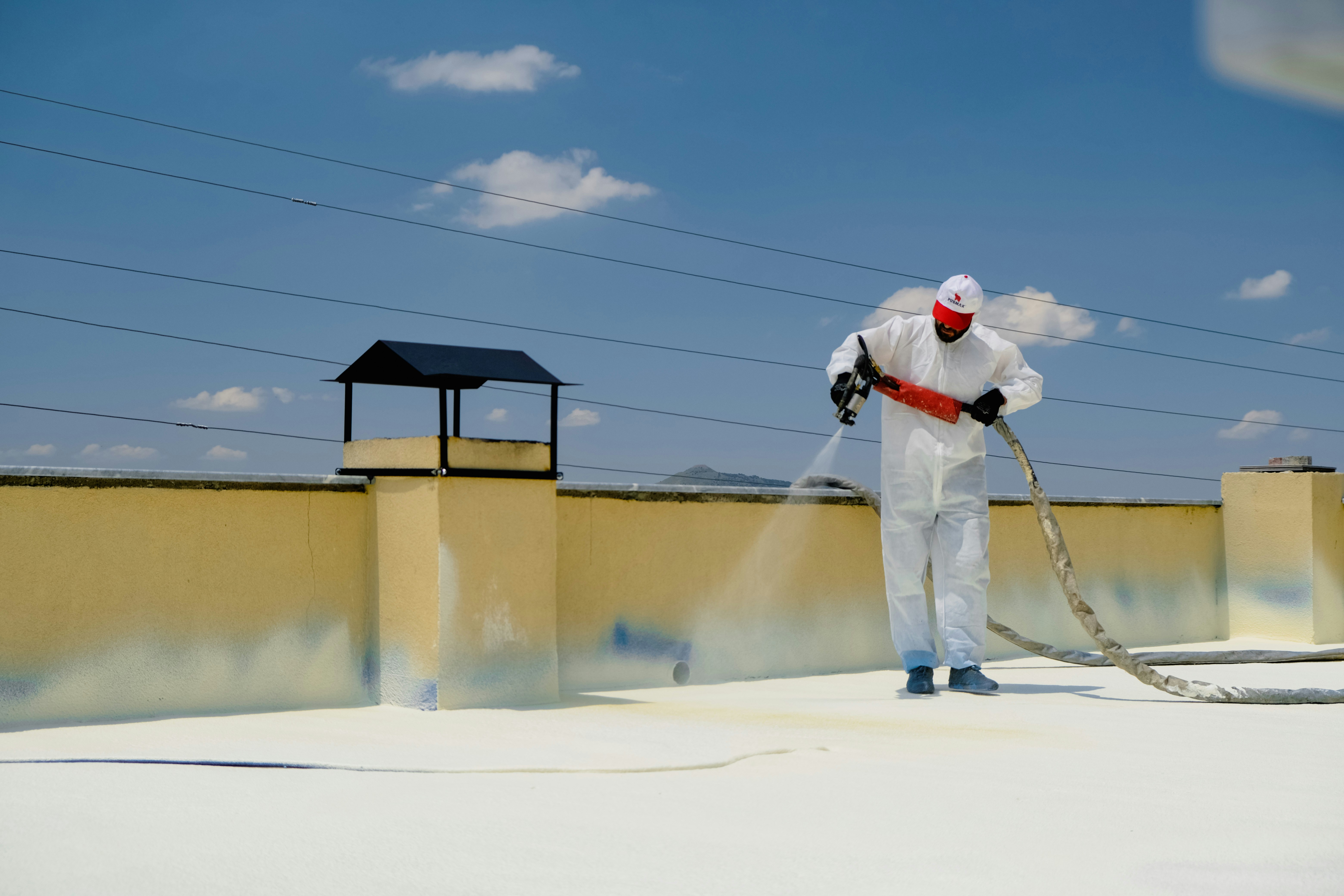
When applying waterproofing products, following the manufacturer’s guidelines is essential. This encompasses the correct product choice based on the specific conditions and materials of the structure. Application techniques can vary among different products; therefore, understanding the recommended methods—such as spray, brush, or roll-on—ensures the proper coverage and thickness necessary for effective waterproofing.
Moreover, it is crucial to monitor environmental conditions during the installation. Factors such as temperature, humidity, and wind can influence the curing and bonding of waterproofing materials. Installing during appropriate weather conditions allows for optimal performance and adherence of the system.
Once the waterproofing system is installed, regular maintenance and inspections are vital to maintain its effectiveness over time. This includes checking for signs of wear, potential damage, and ensuring that drainage systems are functioning correctly to prevent water accumulation. While DIY approaches can be tempting, the complexity of certain waterproofing installations often warrants the expertise of professionals. Engaging professionals ensures adherence to building codes and can contribute to increased reliability of the waterproofing systems.
In conclusion, careful attention to surface preparation, adherence to application guidelines, and routine maintenance, combined with professional assistance when necessary, are key factors in achieving effective and efficient waterproofing installations.